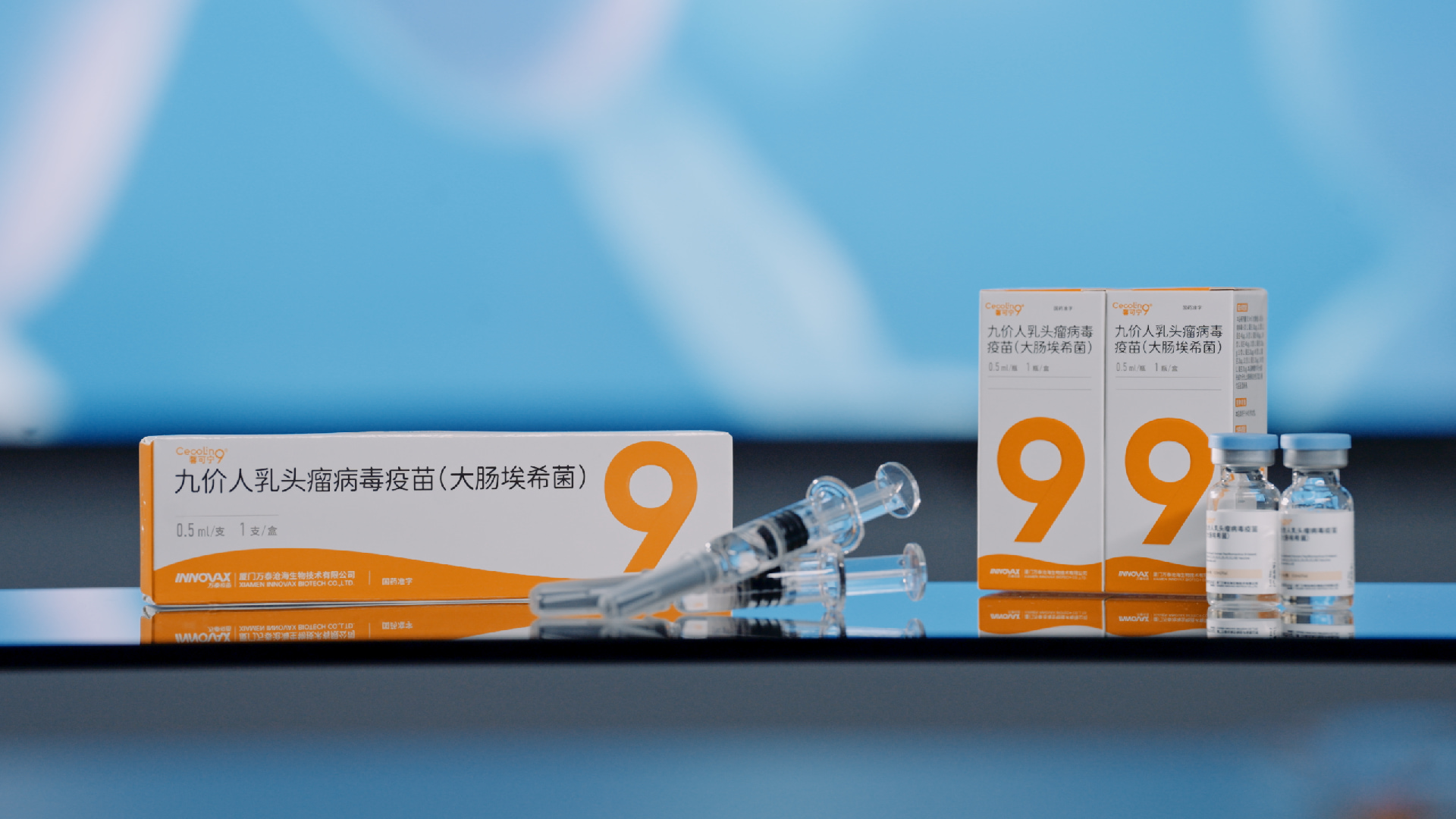

Recombinant Human Papillomavirus 9-Valent Vaccine (<em>Escherichia coli</em>) Covering HPV types 6, 11, 16, 18, 31, 33, 45, 52 and 58

This site is intended for public.

Recombinant Human Papillomavirus 9-Valent Vaccine (Escherichia coli) Covering HPV types 6, 11, 16, 18, 31, 33, 45, 52 and 58

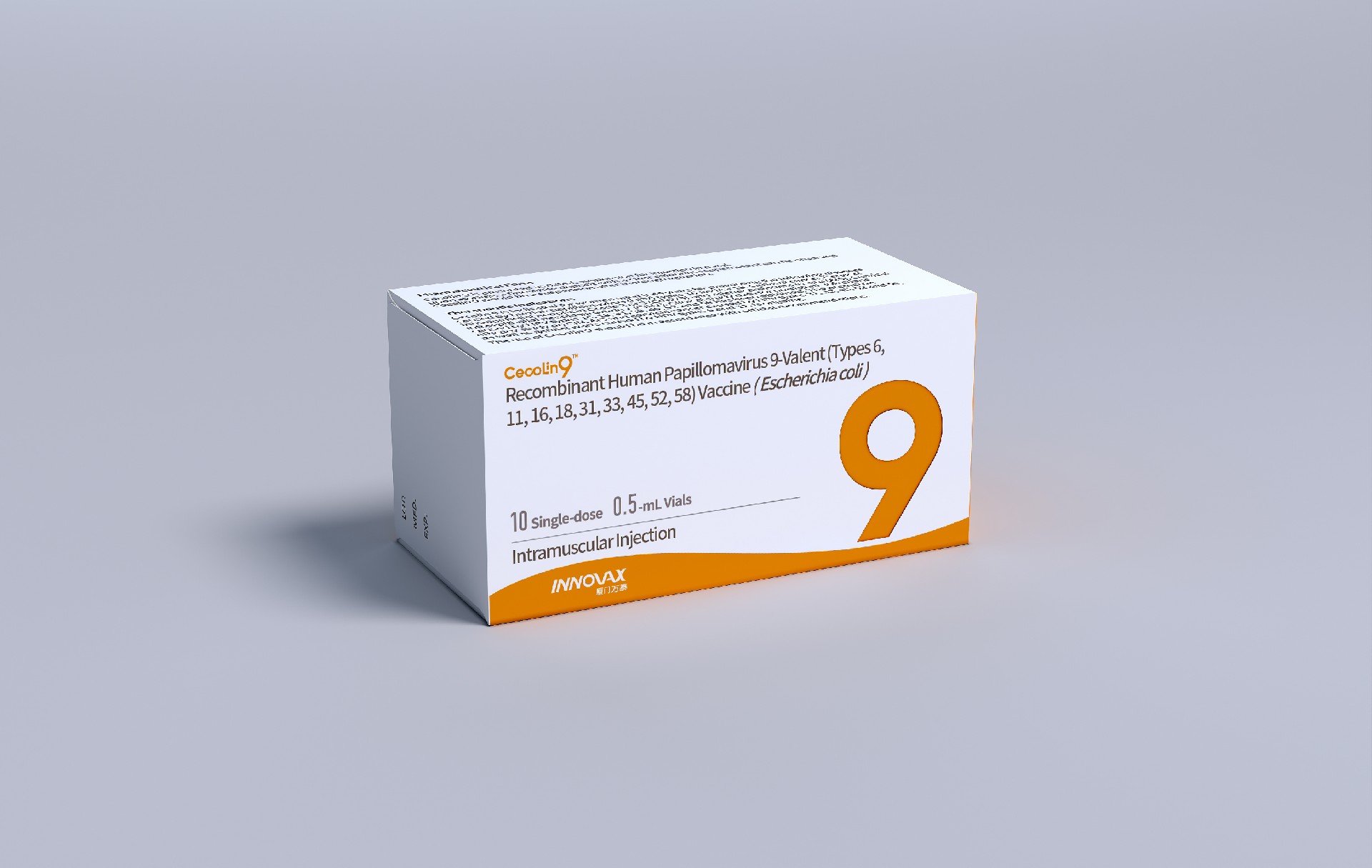
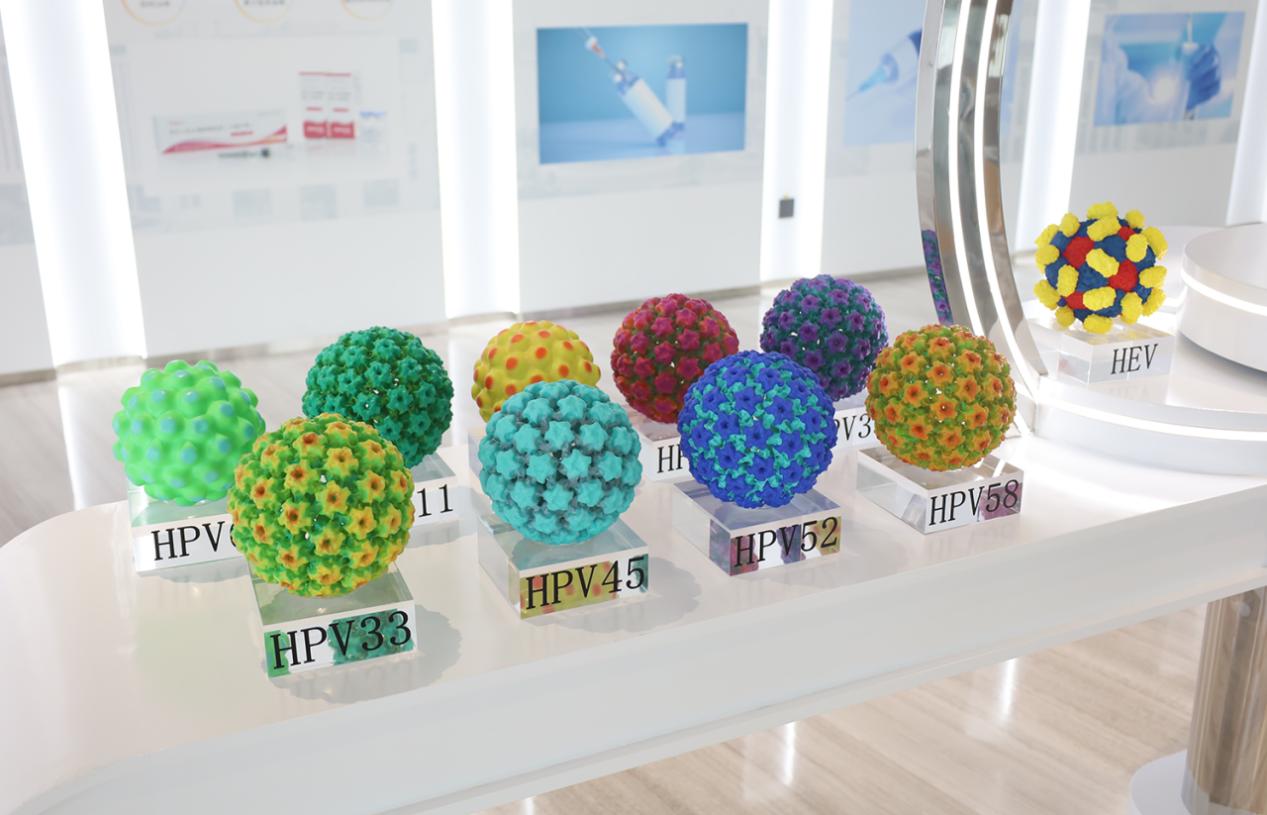
Cecolin 9 is a 9-valent HPV vaccine indicated for females aged 9–45 years. It contains HPV L1 virus-like particle (VLP) antigens for nine HPV types: 6, 11, 16, 18, 31, 33, 45, 52, and 58.1

Among the HPV types covered, some are high-risk types associated with cervical cancer, cervical precancerous lesions and other HPV-related diseases. HPV types 6 and 11 are low-risk types commonly associated with genital warts. 1,2,3

Cecolin 9 is a preventive vaccine and does not treat existing HPV infection or existing HPV-related disease, nor does it replace routine cervical cancer screening.1,2,3,4

Before vaccination, please consult a healthcare professional to understand whether Cecolin 9 is appropriate for you or the intended recipient.


What You Should Know About HPV

HPV, or human papillomavirus, is a common group of viruses transmitted mainly through intimate skin-to-skin contact, including sexual contact. Most HPV infections clear naturally, but persistent infection with high-risk HPV types can lead to cervical cancer and other HPV-related diseases.2,3

There are more than 200 types of HPV. Some high-risk HPV types can cause cancer if infection persists, while some low-risk types can cause genital warts.2,3

Cervical cancer remains a major global public health burden. In 2022, there were approximately 660,000 new cervical cancer cases and about 350,000 deaths worldwide.4

HPV vaccination helps prevent infection with vaccine-covered HPV types. WHO has called for global action to eliminate cervical cancer as a public health problem, with HPV vaccination as one cornerstone of prevention.5,6

What You Should Know About HPV

Key Information About Cecolin 9

Important information from the approved product information. Please consult a healthcare professional before vaccination.

FAQs

Key questions for the general population.

General HPV and cervical cancer information

HPV, or human papillomavirus, is a group of more than 200 related viruses. It is mainly transmitted through intimate skin-to-skin contact, including sexual contact. Most HPV infections clear naturally, but persistent infection with high-risk HPV types can cause cervical cancer and other HPV-related diseases.2,3

Cervical cancer remains a major global public health burden. In 2022, there were approximately 660,000 new cervical cancer cases and about 350,000 deaths worldwide, making cervical cancer the fourth most common cancer among women globally.4

Cervical cancer is largely preventable through HPV vaccination, routine cervical cancer screening, and timely treatment of precancerous lesions. WHO’s global cervical cancer elimination strategy is built around the 90-70-90 targets: 90% of girls fully vaccinated against HPV by age 15, 70% of women screened by ages 35 and 45, and 90% of women with precancer or invasive cancer receiving appropriate treatment.5,6

About Cecolin 9

Cecolin 9 is a 9-valent HPV vaccine indicated for females aged 9-45 years. It contains HPV L1 virus-like particle antigens for HPV types 6, 11, 16, 18, 31, 33, 45, 52, and 58.1

In females aged 9-45 years, Cecolin 9 is indicated to help prevent cervical cancer and cervical lesions, including cervical precancerous lesions, caused by HPV types 16 and 18. The published Phase 3 study also reported 98.2% efficacy against ≥12-month persistent infection associated with HPV6/11/31/33/45/52/58. Cecolin®9 does not treat existing HPV infection or existing cervical disease, and it does not replace routine cervical cancer screening.1,7

Cecolin 9 is indicated for females aged 9-45 years. HPV vaccination is most effective when given before exposure to HPV. A healthcare professional can advise whether Cecolin 9 is appropriate based on age, health status, vaccination history, and local recommendations.1,6,8

Vaccination and protection

HPV can infect both females and males. In males, HPV infection can cause genital warts and HPV-related cancers, including anal, penile, and oropharyngeal cancers.1,2 WHO prioritizes girls aged 9-14 years as the primary target group for HPV vaccination before the start of sexual activity. Vaccination of secondary target groups, including boys and older females, is recommended where feasible and affordable. For Cecolin 9, the approved product information indicates use in females aged 9-45 years; clinical studies in males are ongoing.1,2,3,6

Yes. HPV vaccination may still provide benefit for sexually active individuals because prior sexual activity does not necessarily mean exposure to all HPV types covered by the vaccine. However, HPV vaccines do not treat existing HPV infection or existing HPV-related disease. Vaccination is most effective before HPV exposure.1,6,8

No. Cecolin 9 contains virus-like particle proteins and does not contain live HPV. It cannot cause HPV infection or cervical cancer.1

No. HPV vaccination does not replace routine cervical cancer screening. Routine cervical cancer screening remains important after vaccination, according to local screening recommendations.1,4

Safety and precautions

In clinical trials, Cecolin 9 was generally well tolerated. Injection-site pain was the most commonly reported adverse reaction. Other common reactions included injection-site itching, lump, swelling, redness and discomfort, fever, headache, fatigue or weakness, cough, nausea, muscle aches and dizziness. Most reactions were mild to moderate and resolved spontaneously within a short period of time.¹

Available evidence for HPV vaccines does not indicate a causal association between HPV vaccination and infertility. For Cecolin 9 specifically, animal studies showed no direct or indirect adverse effects on reproduction, pregnancy, embryo/fetal development, delivery, or postnatal development. If you have concerns about fertility, pregnancy, or medical history, discuss them with a healthcare professional.1,9

Do not receive Cecolin 9 if you have had a severe allergic reaction to a previous dose of Cecolin 9 or to any active substance or excipient in the vaccine. Vaccination with Cecolin 9 during pregnancy should be avoided. Tell your healthcare professional if you are pregnant, breastfeeding, or planning to become pregnant.1

Before receiving Cecolin 9, tell your healthcare professional if you or your child:

  • are pregnant, breastfeeding, or planning to become pregnant;
  • have immune system problems or are receiving medicines that suppress the immune system;
  • currently have a fever or acute illness;
  • have had an allergic reaction to any vaccine or vaccine ingredient;
  • have a bleeding disorder or a condition that affects blood clotting;
  • have received another HPV vaccine;
  • take any medicines, including over-the-counter medicines.1

Common side effects may include pain, itching, swelling, redness, lump, or discomfort at the injection site; fever; headache; tiredness or weakness; cough; nausea; muscle aches; or dizziness. Seek medical attention immediately if signs of an allergic reaction occur, such as difficulty breathing, wheezing, hives, or rash.1

No. You should stay at the vaccination site for at least 30 minutes of observation after vaccination. Fainting can occur after injections, including HPV vaccination, and observation helps reduce the risk of injury.1

Cecolin 9’s approved product information does not describe a specific restriction on routine daily activities such as showering after vaccination. In general, normal daily activities may be resumed if the recipient feels well. Follow the healthcare professional’s advice, especially if fever, dizziness, or injection-site discomfort occurs.1

Cecolin is a bivalent HPV vaccine targeting HPV types 16 and 18. Cecolin 9 is a 9-valent HPV vaccine covering HPV types 6, 11, 16, 18, 31, 33, 45, 52, and 58. At present, there are no clinical data supporting interchangeable use between Cecolin 9 and other HPV vaccines. If you have already received Cecolin or another HPV vaccine, talk to your healthcare professional. They can help determine whether Cecolin 9 is appropriate based on your previous vaccination history, number of doses received, time since your last dose, age, health status, and local recommendations.1

If a scheduled dose is delayed, the vaccination series generally does not need to be restarted. The next dose should be administered as soon as possible while following the minimum intervals in the approved product information and local immunization guidance.1,6

No clinical trial has been conducted in China on administration of Cecolin 9 together with other vaccines; therefore, product-specific co-administration data are not currently available. WHO guidance for HPV vaccines generally supports co-administration with other age-appropriate vaccines when needed, using separate syringes and different injection sites. For Cecolin 9, co-administration decisions should follow the approved product information and local clinical or immunization guidance.1,6

Publications

Cecolin 9 News